

Account settings often matter more than a game’s theme when Canadian players use an online casino. The operator, rather than the slot itself, controls login security, personal details, payment permissions, session tools and support. An informational page about a sweet bonanza casino can help identify the game, but account decisions still need to be made through the hosting website. Reviewing these controls before playing makes it easier to protect access, understand records and avoid confusion between game settings and casino-level responsibilities.
Start with the controls that affect your account
Begin by opening the account or profile area and identifying which settings are available. Common categories may include personal information, password management, authentication, communication preferences, payment-method management, transaction history and responsible-gambling tools. These controls belong to the casino account, not to the game provider, so their names and locations can differ between operators.
Check your stored details carefully, particularly your email address, phone number and residential information. An outdated email can make password recovery difficult, while inaccurate personal information may create problems if the operator later requests verification. Do not assume that changing a profile field automatically changes information held by a payment provider or removes an existing verification requirement.
It is also useful to separate ordinary game preferences from account controls. Sound, music, stake selection, game information and game history can appear inside the slot window. Your balance, account identity, cashier access, deposit settings and support options remain outside that window. Keeping the distinction clear helps you contact the right party when something goes wrong.

How should login and recovery settings be reviewed?
Use a unique password for the casino account and avoid reusing one from email, banking or social-media services. If two-factor authentication is offered, consider enabling it and review the recovery method attached to it. A recovery email or phone number should be current and protected, because anyone who controls that channel may be able to request an account reset.
Look for information about locked accounts, failed-login attempts and recovery procedures before you need them. Some operators may require identity checks before restoring access or changing important details. The game itself has no independent login, so a forgotten password, blocked profile or missing authentication code must be handled through the casino’s support and account processes.
Never share a password, one-time code or verification document through an unsolicited message. If an email or pop-up asks you to disclose credentials, leave the message and open the casino website through a known route instead. The Canadian Centre for Cyber Security provides broader guidance on protecting online accounts and recognizing common security risks.
Check records before changing personal or payment details
Account history can help you establish what happened during a session. The game interface may provide a round-by-round history, while the casino account may contain longer records for deposits, withdrawals, bonuses and account activity. These are not always identical. A game history may show spins, but it will not necessarily explain a cashier transaction or a pending verification request.
Before editing payment information, review the operator’s stated rules for ownership and verification. A casino may request evidence that a card, bank account or wallet belongs to the account holder. Removing a payment method does not necessarily erase transaction records, cancel an outstanding request or bypass checks connected with a withdrawal.
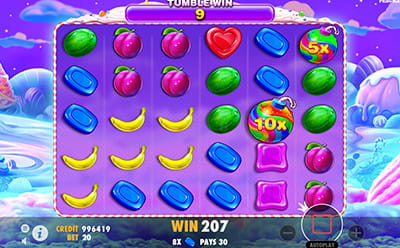
Keep your own record of important changes, including the date, the setting changed and any confirmation received. Screenshots can be useful for your personal records, provided they do not expose passwords, full card numbers or security codes. If a balance, transaction or game result appears inconsistent, preserve the relevant details and contact the operator rather than assuming the slot provider can resolve it.
Which limits belong to the operator rather than the game?
Responsible-gambling controls are normally found in the casino account, not in the game’s information panel. Depending on the operator and the rules that apply to the player, options may include deposit limits, loss limits, session reminders, cooling-off periods or self-exclusion. Availability, waiting periods and the method for changing a limit can differ, so read the displayed terms carefully.
Do not confuse an in-game autoplay stop condition with a full account limit. Autoplay may stop after a selected win, loss, balance change or feature event, where that function is enabled. It does not necessarily prevent manual play later, restrict deposits or close the account. A casino-level limit is the more relevant control when the aim is to manage overall activity.
Set limits before depositing rather than waiting until a session feels difficult to control. Treat promotional messages separately from account safeguards, since a bonus may have expiry, wagering, maximum-bet or withdrawal conditions. No game setting can guarantee a result, and neither the slot’s published RTP nor a short session should be treated as evidence of future winnings.
Make mobile access consistent without weakening security
The game is commonly delivered through an HTML5 casino website, allowing it to adapt to modern phones and tablets without a separate game account. The operator may also provide its own mobile application, but that app remains an operator service. Confirm that you are using the correct website or official application before entering login details.
Review whether your phone or browser saves passwords, autofills payment fields or keeps an active casino session. Those conveniences can be risky on shared devices. Use a device lock, install operating-system updates and avoid signing in over unfamiliar networks when possible. When finishing a session on a public or borrowed device, sign out and remove any saved credentials.
Mobile access can make account settings less visible because menus are condensed. Take time to locate support, security, transaction history and responsible-gambling controls rather than assuming they are absent. If a setting cannot be changed on mobile, use the operator’s stated support channel and ask for written confirmation of what has been applied.
Questions about account settings and game access
Does the game have its own login or account recovery?
No. Real-money access is connected to the casino account hosting the game. Password resets, two-factor authentication, locked profiles, personal-data changes and recovery checks are handled by that operator. The slot may display game history, but it does not replace the casino’s account-management or support system.
Can game settings control my entire casino session?
No. Options such as stake selection, sound, autoplay and certain stop conditions apply to the game window only. They do not necessarily restrict deposits, manual play, other games or account access. For broader control, use the operator’s deposit, loss, session, cooling-off or self-exclusion tools where available.
Who handles a problem with a transaction or verification request?
The casino hosting the game is the relevant contact for deposits, withdrawals, identity checks, payment ownership and account balances. The game provider does not process cashier transactions or operate the player’s profile. Keep the transaction details available and use the operator’s official support route for clarification.


